
Lavender longevity improves dramatically with:
- Proper soil preparation and drainage
- Balanced soil amendments
- Consistent pruning and harvesting
- Midwest-smart winter protection
- Correct plant variety selection
What is lavender?
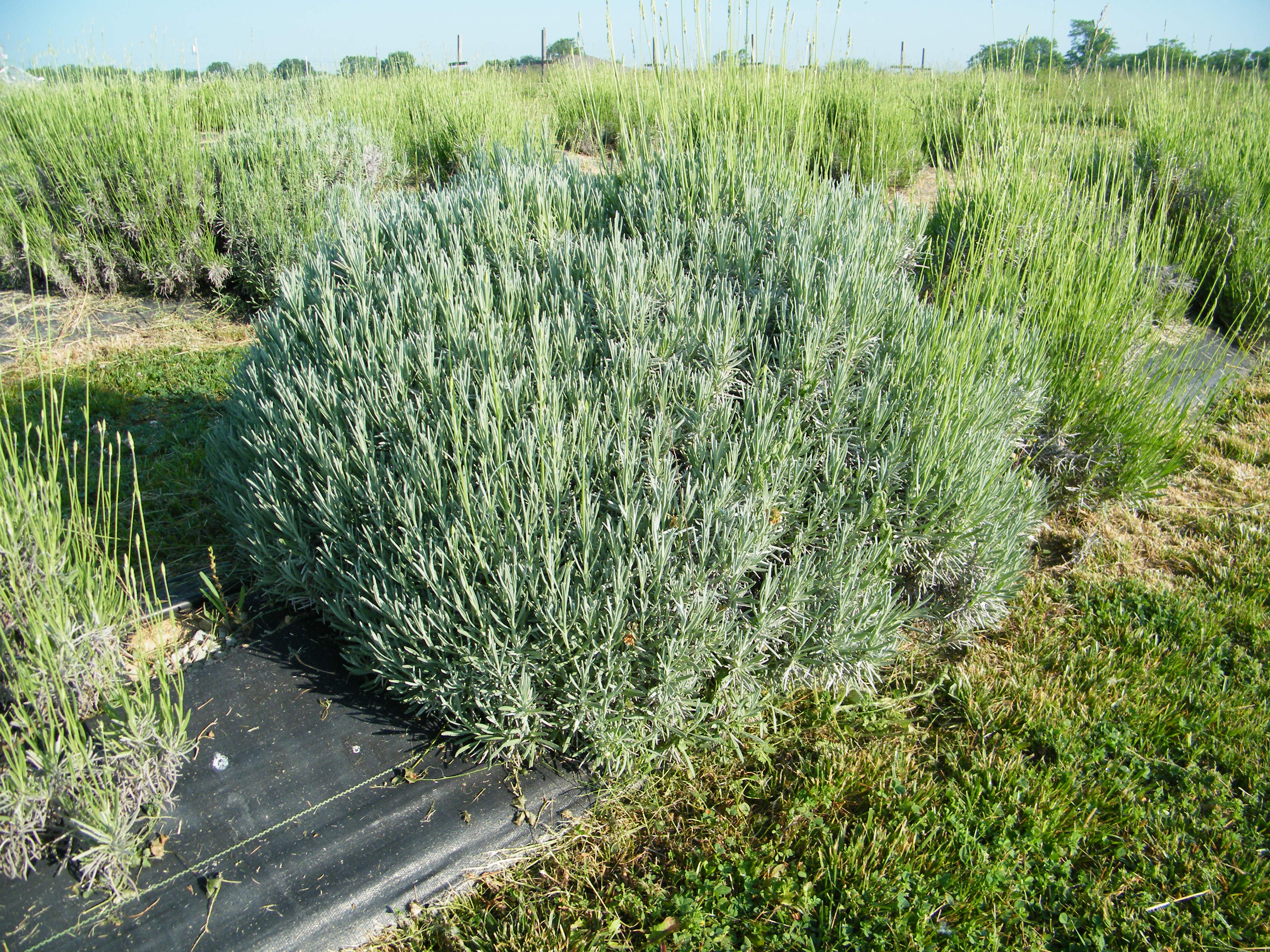
Lavender is a perennial plant that can live 10–15 years or more in a home garden when grown correctly. Longevity is directly influenced by soil preparation, drainage, pruning practices, winter protection, and proper harvesting. When these elements are balanced, lavender can thrive for decades and even form a long-lasting hedge.
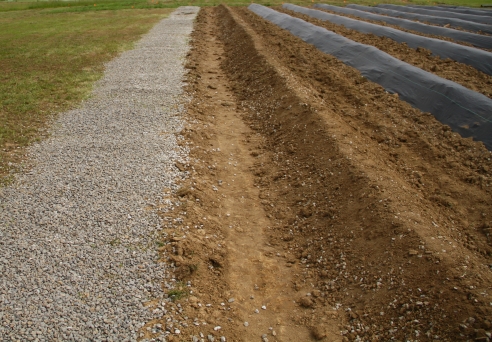
Best soil for lavender (well-drained loamy mix)
The #1 rule for growing lavender successfully in Ohio is drainage. Lavender roots hate wet feet, especially in winter. Lavender grows best in well-drained loamy soil made from:
- Sand
- Clay soil (common in south-central Ohio)
- Compost or aged organic matter (composted horse manure or old woodlot compost)
Soil amendments for lavender
At planting time, we recommend adding:
- 2 handfuls of limestone (or a small amount of dolomitic lime when using rock)
- A light nitrogen starter fertilizer to help new plants establish
Lavender soil pH
Lavender prefers a higher pH. Aim for:
Mulch and weed control for lavender
Weed control helps lavender thrive — especially in the first few seasons. Recommended options:
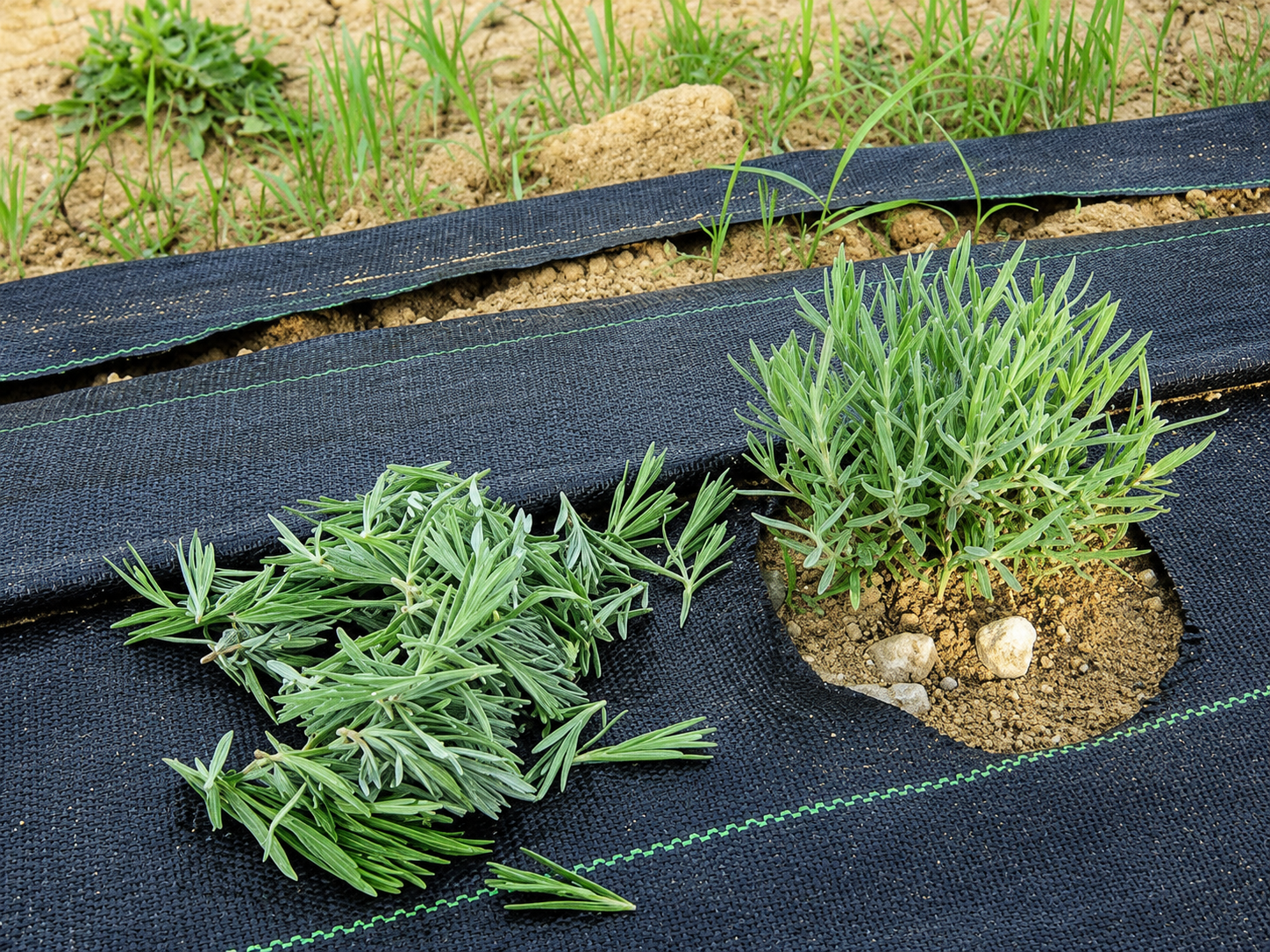
- Woven weed barrier fabric (polypropylene or natural woven material)
- Oyster shell mulch
- Wood chips — our commercial method, introduced at Peaceful Acres in 2014
Wood chips are especially helpful because they suppress weeds and slowly break down, reducing the need for yearly fertilization. Container-grown lavender typically does not require weed protection.
Best lavender varieties for cold, wet Ohio winters
One of the biggest challenges in Ohio and the Midwest is selecting a hardy lavender variety that can handle cold temperatures and wet seasonal conditions. For Angustifolia (English lavender), our most reliable choices are:
- Munstead lavender
- English lavender (hardy types)
These varieties provide excellent fragrance and garden performance year-round, even in rainy conditions.
When to plant lavender in Ohio
Peaceful Acres has tested lavender planting across multiple seasons, including May through September. While spring planting consistently produces the strongest and most resilient plants, lavender planted later in the season can still survive when properly cared for.
The primary drawback of late-season planting is reduced plant size, yield, and second-year growth. Smaller fall plantings are more prone to soil washout around the plant base, which can expose or lift the root system and compromise winter survival.
Winter protection for lavender
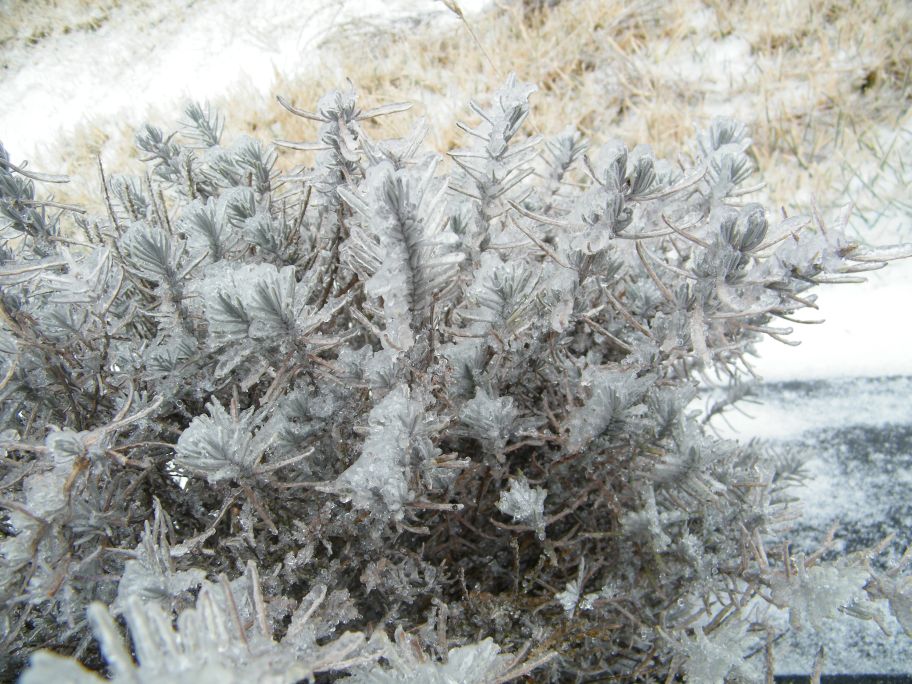
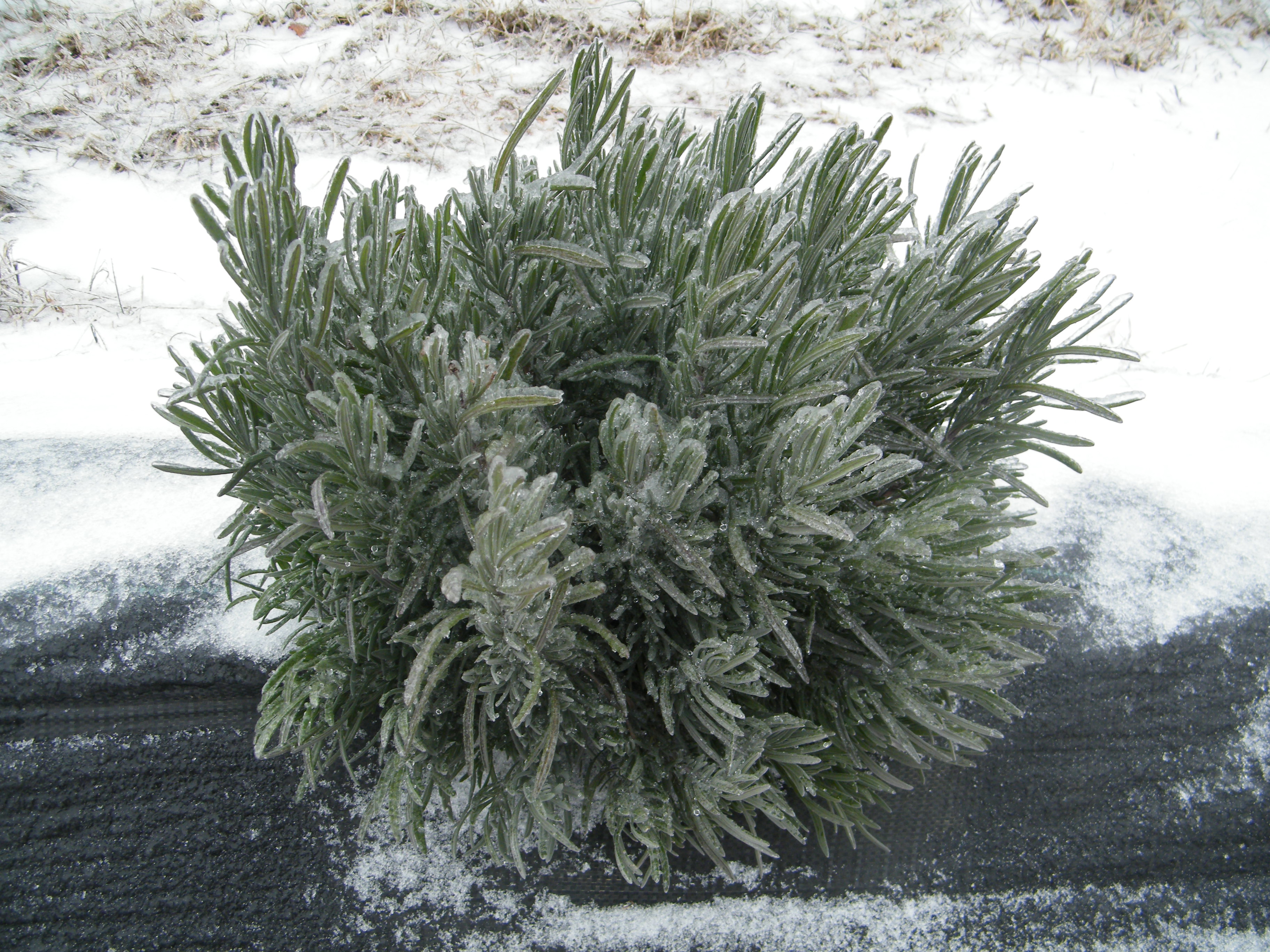
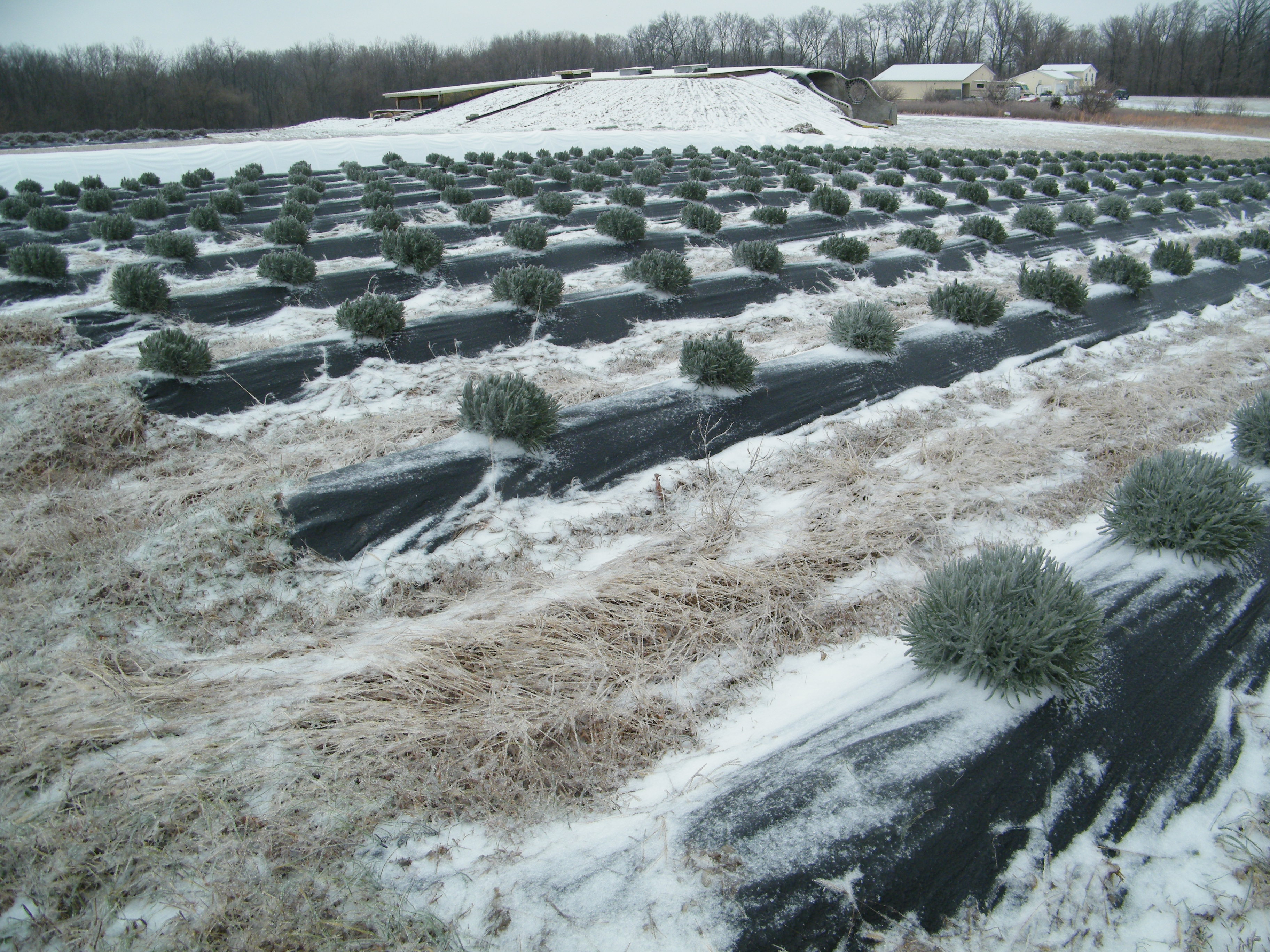
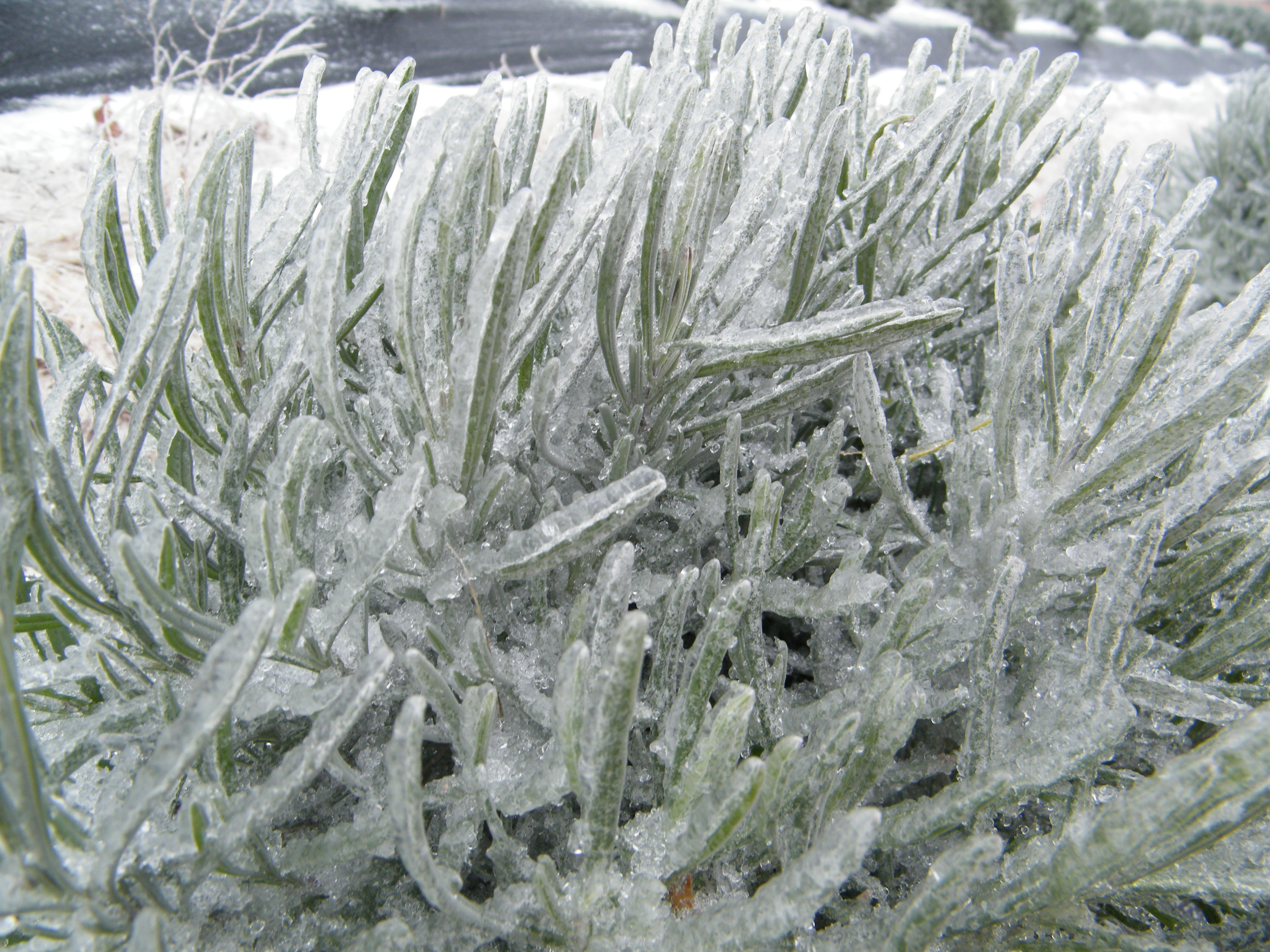
Winter protection is critical — especially for lavender grown for oil production. Severe ice storms can damage or kill any lavender variety, including cold-hardy Angustifolia types.
At Peaceful Acres, varieties such as Grosso and Twickle Purple benefit from temporary winter protection during ice events. A breathable sheet or cover placed over the plant during ice storms can prevent severe damage.
Snow will insulate lavender plants only if no ice has accumulated before snowfall. While snow can insulate lavender plants if it falls on unfrozen ground, ice accumulation freezes the essential oils within the plant and causes branch dieback.
Pruning lavender for best results in the Midwest
Through years of trial, observation, and hands-on experience, Peaceful Acres has developed a reliable pruning system tailored to Midwest growing conditions. Proper pruning improves airflow, prevents woody growth, and maximizes both plant health and harvest yield.
First-year pruning (critical step)
During the first growing season, all flower buds should be removed as soon as they appear. This keeps the plant in a vegetative growth cycle, allowing it to establish a strong root system and structure before winter.
Allowing lavender to flower during its first year significantly reduces plant size, weakens winter survival, and lowers second- and third-year yields.
When is the best time to prune lavender?
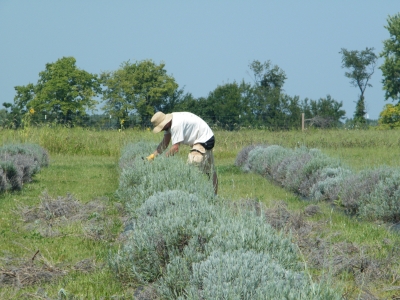
Lavender is best pruned during harvest, which eliminates unnecessary follow-up trimming and prevents loss of usable buds.
Early spring (March–May) is the ideal time for structural pruning. Remove all dead branches down to the base of the hedge. After harsh winters, plants may require aggressive pruning back to woody growth. If leaves crumble easily or fall off when touched, the branch is dead and should be removed.
In extreme cases, Peaceful Acres prunes plants back to bare woody hedges and applies a light nitrogen feeding. All new buds are removed temporarily so the plant can redirect energy into rapid regrowth. This method has successfully regenerated plants that initially appeared dead.
How to prune lavender properly (where to cut)
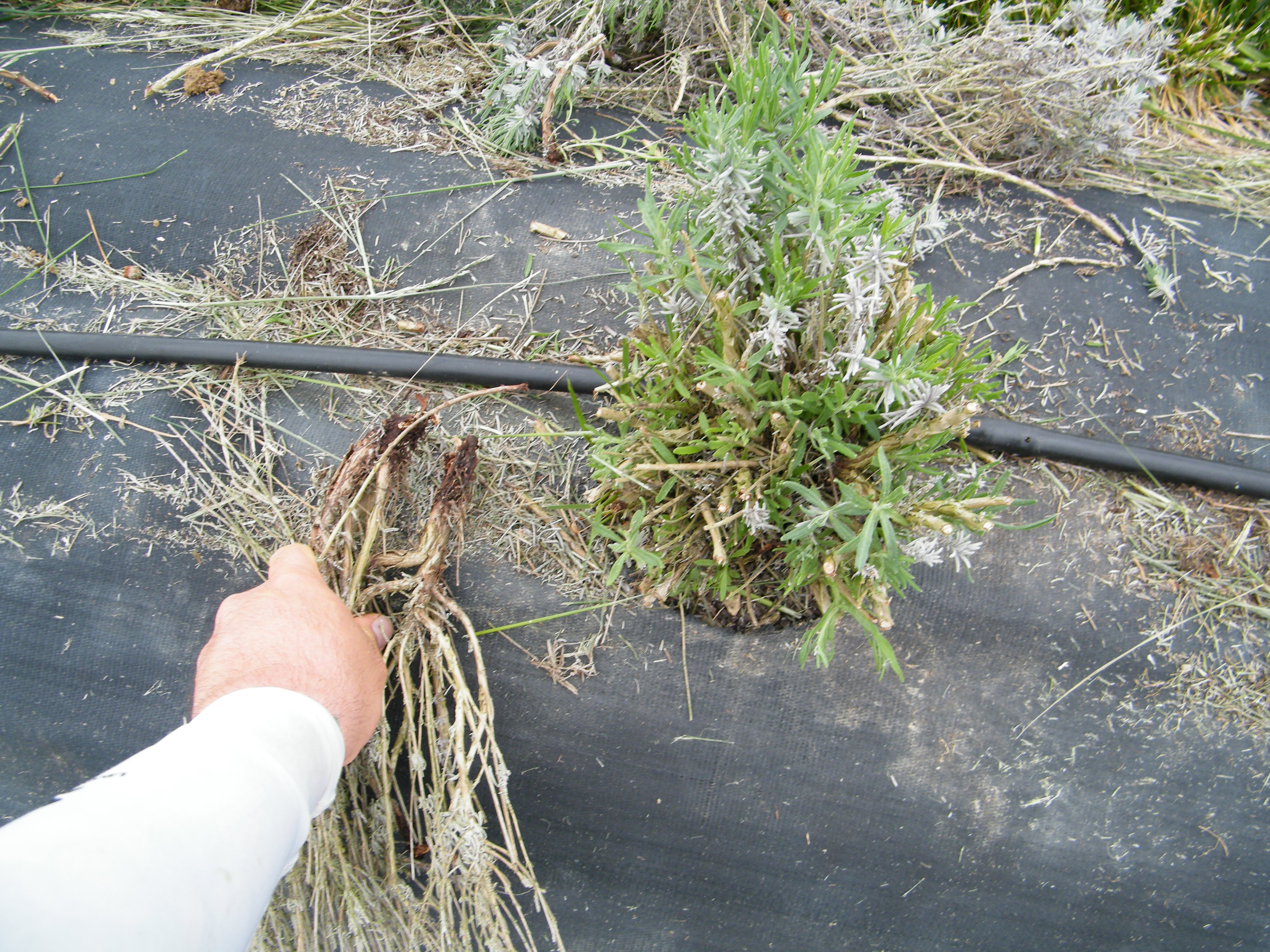
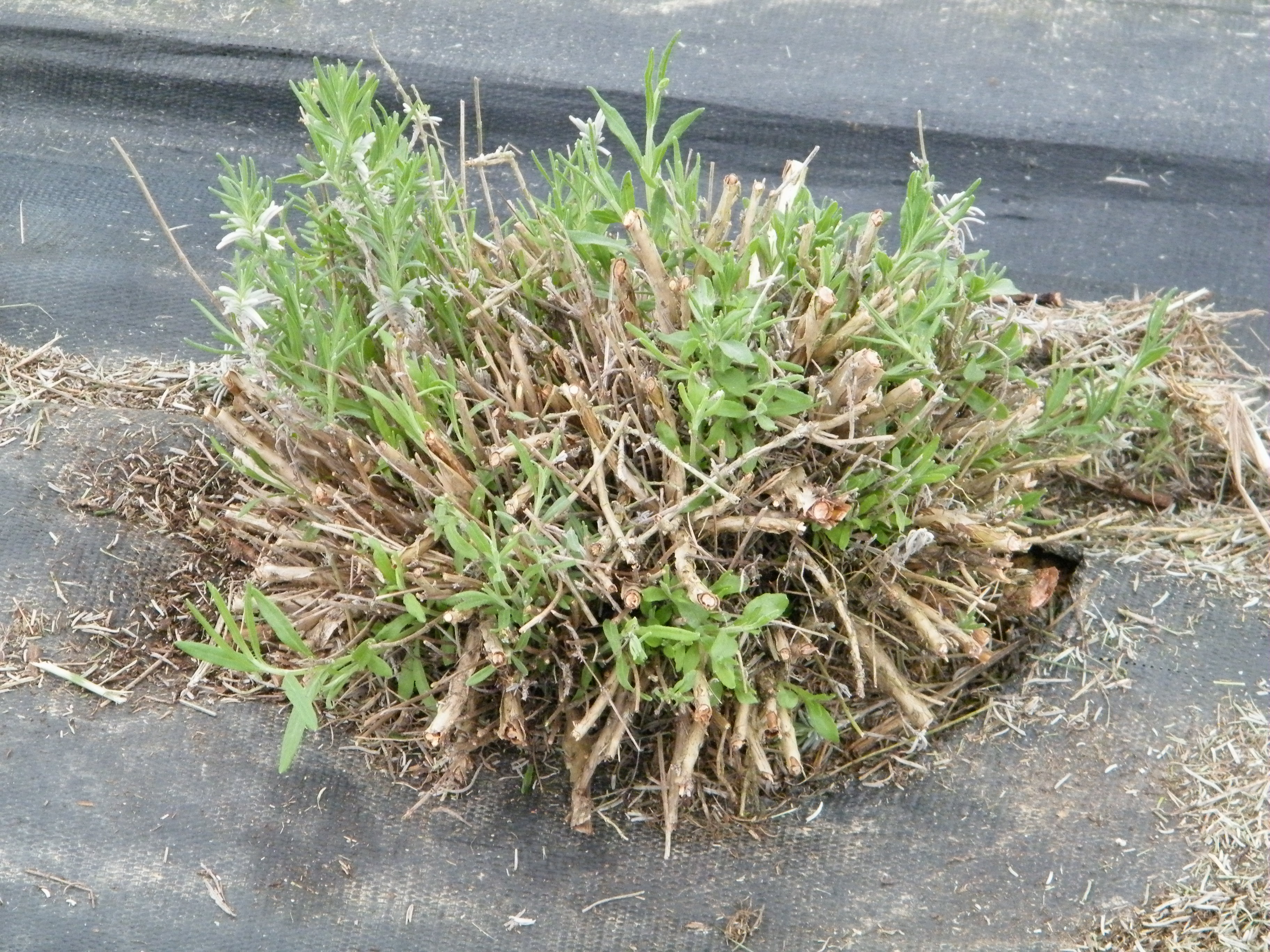
For healthy lavender regrowth, prune two leaf sets above the woody growth. Avoid cutting into woody stems whenever possible, as pruning into woody growth can increase stress and risk of rot. Leaving two leaf sets supports:
- Thicker, stronger growth
- A fuller hedge
- Better long-term plant structure
Post-harvest and maintenance pruning
After the main harvest, sporadic flower shoots may continue to form. These stems should be pruned individually as they appear. Tall stems that have already flowered should be cut back below the first set of leaves, before the flower stalk begins.
Deep or aggressive pruning should only be performed in early spring — not during late summer or fall.
Recovering lavender after winter damage
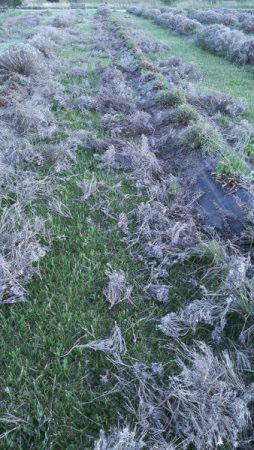
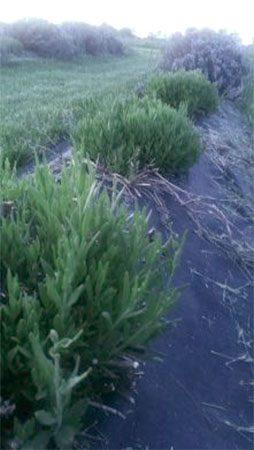
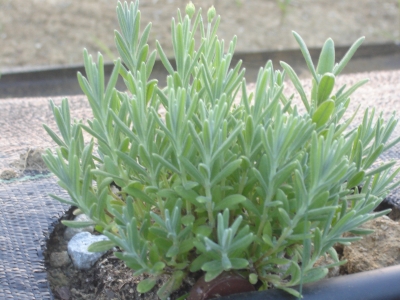
When lavender experiences winter dieback, a more aggressive pruning approach is required. All dead woody branches should be cut back to the top of the root hedge. Although plants may appear lifeless initially — even into early summer — patience is key.
With proper pruning and a modest nitrogen application, Peaceful Acres has seen lavender regenerate within two months, producing harvestable bundles by late summer. This approach reduced crop loss from nearly 90% to just 20%, even after severe winter damage.
Lavender growing tips summary
If you want lavender to thrive in Ohio and the Midwest, focus on these essentials:
Ohio Lavender Growing Essentials
- Plant lavender in well-drained loamy soil
- Maintain soil pH 6.9–7.5 with annual lime applications
- Use mulch and weed control early — wood chips work great
- Choose hardy Angustifolia varieties like Munstead or English
- Plant in spring for the strongest growth and best winter survival
- Protect plants from ice storms with a breathable cover
- Prune two leaf sets above woody growth — never into wood
- Remove all buds in year one for stronger long-term plants
- Be patient after winter damage — aggressive pruning + nitrogen = recovery